With website design being a critical investment in your business’s digital presence, it’s essential to understand what influences pricing so you can plan effectively. Whether you’re a startup needing a simple site or an established company looking for a custom solution with advanced features, this guide breaks down the key factors that impact costs and offers valuable insights to help you make a confident, informed decision.
What Factors Influence Maryland Web Design Prices?
The cost of a website design project in Maryland depends on a combination of variables that directly affect the time, skill, and resources required to complete the work. Some of the most important factors include:
- Scope of the project – A single-page landing site will cost significantly less than a 20-page website with advanced features like e-commerce or custom forms.
- Design complexity – A minimalist, clean layout is faster (and cheaper) to build than an interactive, graphics-rich site with animations and dynamic content.
- Custom vs. template-based website designs – Templates reduce design time and cost, while custom designs require more effort but offer greater flexibility and brand alignment.
- Experience level of the website design agency or designer – More seasoned professionals may charge higher rates, but they often bring strategic insights and polished execution.
- Additional services – Website design projects often include more than just visuals. Services such as SEO optimization, content writing, branding, or digital marketing can all increase the overall investment but also the long-term ROI.
Each of these elements adds a layer of complexity and value, which is why two websites of similar size might have drastically different website design price tags.
How Does the Type of Design Affect Pricing?
One of the most significant pricing variables is the type of design your website requires. In Maryland’s diverse business environment, companies often choose between:
- Template-based websites – These are built using pre-designed layouts, which can be customized to some extent. They’re budget-friendly and ideal for businesses needing a basic online presence. Prices typically range from $1,000 to $3,000, depending on the number of pages and customization required. While economical, they may lack the flexibility and uniqueness that professional web design offers.
- Custom-designed websites – These sites are built from the ground up with unique layouts, branding elements, and user experiences tailored to your specific goals. Because they involve more design time, testing, and development, they can range from $5,000 to $15,000 or more. This level of professional web design ensures your site stands out in a competitive market and is optimized for performance, branding, and user engagement.
Choosing between template and custom design often comes down to budget, branding needs, and the level of functionality you require. Businesses that value long-term growth and digital credibility often invest in professional web design to gain a competitive edge.
What Role Does Custom Web Design Play in Costs?
Custom web design and development significantly impacts both the cost and quality of a website. Unlike template-based solutions, custom design starts with a blank canvas, allowing designers to craft a user experience that’s completely aligned with your brand identity, business goals, and customer journey. This means everything from layout and color scheme to functionality and responsiveness is built specifically for your business.
While this approach typically requires a larger budget and longer development timeline, the benefits are substantial. A custom site offers stronger brand differentiation, higher user engagement, and often better conversion rates especially when optimized for performance and SEO. For businesses in Maryland that operate in competitive industries or serve niche audiences, investing in custom web design and development can provide a strategic edge and long-term value.
Are There Differences in Pricing Between Web Design Companies in Maryland?
Absolutely. The cost of web design services in Maryland can vary significantly depending on the size, reputation, and specialty of the provider:
- Freelancers – Often the most affordable option, freelancers typically charge $50 to $100 per hour or offer fixed-price packages starting at around $1,000. They can be ideal for smaller projects or businesses with tight budgets that need a basic online presence rather than a fully custom website.
- Boutique web design agencies – These Maryland-based firms usually offer more personalized service and creative expertise, with prices ranging from $3,000 to $10,000 for small to mid-sized business websites. They often specialize in creating a tailored, custom website that reflects your brand and meets specific business needs.
- Large or specialized firms – Agencies that handle enterprise-level projects, e-commerce development, or complex integrations may quote $20,000 or more, particularly when the project requires a multidisciplinary team including developers, strategists, SEO specialists, and copywriters. These firms are typically best suited for businesses seeking a high-performance custom website with advanced functionality and long-term scalability.
It’s important to assess not just cost, but value including the agency’s track record, process, communication style, and ability to meet deadlines and business goals.
What Services Are Included in Maryland Web Design Packages?
When you hire a Maryland web design company, you’re often getting far more than just visual design. Most web design packages are structured to deliver a complete, functional website that’s ready to launch and perform from day one. Whether you’re looking to build a website from scratch or redesign an existing one, the exact services included can vary depending on the agency or freelancer you choose. However, reputable providers typically bundle in several essential components to ensure your site is not only attractive but also effective, secure, and optimized for your goals.
What Are Standard Web Design Services Offered?
A comprehensive Maryland web design package generally includes:
- Domain & Hosting Setup – Assistance from your website designer with registering your domain name and choosing the right hosting environment for your website’s size and traffic expectations.
- Wireframes & Mockups – Initial design sketches and visual prototypes that help you visualize layout, structure, and user flow before development begins. A skilled website designer ensures these early drafts align with your brand and user goals.
- Front-end & back-end development – Coding the visual elements of your site (front-end) as well as the behind-the-scenes functionality (back-end), including contact forms, databases, or login systems.
- Mobile Responsiveness – Ensuring your website functions flawlessly on all screen sizes smartphones, tablets, and desktops.
- CMS integration (like WordPress) – Giving you the ability to manage content, add pages, or make updates yourself through a user-friendly content management system chosen and configured by your website designer.
- Basic SEO Setup – Including keyword-rich page titles, meta descriptions, image alt tags, clean URLs, and proper site structure to improve visibility on search engines.
- Website Launch & Testing – Final quality checks by your website designer to ensure performance, compatibility, and security before the site goes live.
These core services form the foundation of most Maryland web design packages, making sure your site is professional, functional, and ready for growth.
How Important Is SEO in Web Design Prices?
SEO (Search Engine Optimization) plays a crucial role in determining the total cost of a website. While some basic SEO practices may be included in a standard web design project, more advanced strategies such as keyword research, competitor analysis, custom content writing, or technical SEO audits can significantly increase project costs. That said, integrating SEO from the start is a smart investment. It enhances your website’s ability to rank in Maryland’s local search results, attract qualified traffic, and generate leads. A visually appealing website with poor SEO will struggle to gain traction online, which is why many business owners choose to include robust SEO features in their web design project budget.
Do Web Design Services Include Digital Marketing?
Some Maryland web design and development companies offer all-in-one solutions that go beyond just building your website. These digital marketing services are often bundled into premium packages or available as add-ons and may include:
- Content Creation – Professionally written copy that’s SEO-optimized and tailored to your brand’s voice and messaging.
- Social Media Setup – Creating and branding social media profiles on platforms like Facebook, Instagram, LinkedIn, and Twitter to complement your website’s launch.
- PPC and Google Ads management – Running paid advertising campaigns to drive traffic and generate leads quickly, especially useful in competitive markets.
- Email marketing integrations – Setting up opt-in forms, email templates, and connections with platforms like Mailchimp or Constant Contact for list-building and customer retention.
While these services increase the total project cost, they also provide immense value by positioning your website as a central hub in a broader digital marketing strategy. For Maryland businesses looking to build a strong and competitive online presence from day one, partnering with a development company that offers these integrated services can be a smart and worthwhile investment.
How Much Does a Website Cost in Maryland?

The cost of a website in Maryland can vary widely depending on the scope of the project, the complexity of features, and the experience level of the website design company or provider. On average, a professionally designed website for a small to mid-sized business ranges from $3,000 to $7,000, though more advanced websites such as those with e-commerce capabilities, custom integrations, or membership portals can exceed $10,000 or more. Freelancers and smaller agencies may offer simpler, template-based sites for as low as $1,000 to $2,500, making them a viable option for startups or businesses with basic needs. Ultimately, your website’s cost in Maryland will depend on the functionality you require, the content and SEO support you need, and the level of customization and strategy offered by your website design company.
What Is the Average Cost of a Professional Website?
The average cost of a professional website for a small business in Maryland typically ranges from $3,000 to $7,000. This price reflects a fully functional, well-designed website that includes custom branding, mobile responsiveness, and basic SEO features. However, the final cost depends greatly on your specific business needs. A simple informational website with a few pages and minimal customization will fall on the lower end of that range, while more complex projects that require custom design elements, advanced functionality, or integrated marketing tools can exceed the higher end. The agency’s level of expertise, experience, and specialization can also influence the price more established firms may charge higher rates but often deliver greater value in strategy, design quality, and long-term results.
What Factors Cause Prices to Vary Significantly?
Several variables can significantly impact the final cost of your website, especially when planning a Maryland website design project tailored to your business needs:
- E-commerce functionality – Adding a shopping cart, payment processing, product catalog, and order tracking requires more development time and specialized features, often increasing the cost substantially.
- Custom graphics or animations – Unique design elements like custom icons, animations, or illustrations elevate your brand’s visual appeal but require additional time from designers and developers.
- Number of pages – A 5-page website will naturally cost less than a 20-page site with diverse layouts, service pages, blog posts, and landing pages.
- Membership or login features – If your website needs secure login portals, user dashboards, or gated content for members, the added functionality will drive up the complexity and the price.
- Integration with third-party tools – Whether it’s a CRM like HubSpot, email marketing platforms like Mailchimp, or scheduling tools like Calendly, each integration adds development time and testing requirements.
The more customized and feature-rich your website needs to be, the more you can expect to pay. A thoughtful Maryland website design strategy should balance features with budget while aligning with your business goals and target audience.
Are There Budget Options for Small Businesses?
Yes, many web designers in Maryland offer affordable packages specifically designed for startups, entrepreneurs, and small businesses with limited budgets. These packages often range from $1,000 to $2,500 and typically include essential features such as a home page, about page, contact form, and mobile responsiveness. While they may not offer advanced customization or marketing automation, they provide a clean, professional web presence that can be expanded later as your business grows. Some leading web design agencies even offer payment plans, subscription-based web services, or DIY options using platforms like WordPress or Squarespace to make it more accessible for small businesses to get online without breaking the bank.
How to Choose the Right Maryland Web Design Company?
Choosing the right Maryland web design company involves more than just comparing prices it requires a careful evaluation of experience, capabilities, communication style, and alignment with your business goals. Start by reviewing each agency’s portfolio to assess their design range, creativity, and ability to deliver mobile-friendly, user-focused websites. Look for companies that have worked with businesses similar to yours or understand your specific industry.
Client reviews and testimonials can offer valuable insight into their reliability, responsiveness, and overall client satisfaction. It’s also important to ask the right questions during consultations clarify what’s included in their services, how they approach SEO, who owns the final product, and how they tailor the design to meet your goals. Whether you’re aiming to refresh your current site or launch a brand-new one, the right partner to design Maryland websites should not only deliver a visually compelling site but also act as a strategic ally invested in your long-term digital success.
What Should You Look for in a Web Design Portfolio?
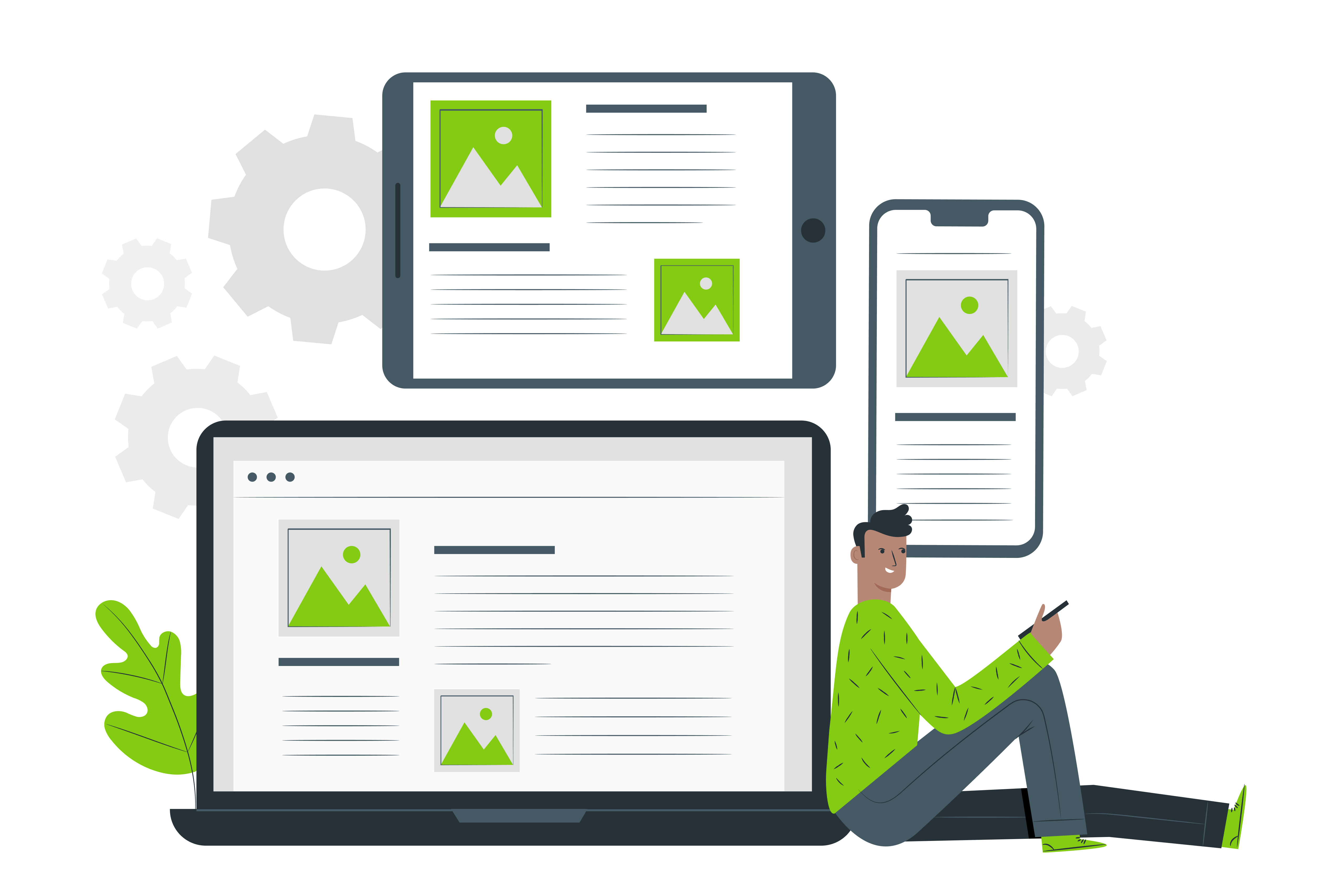
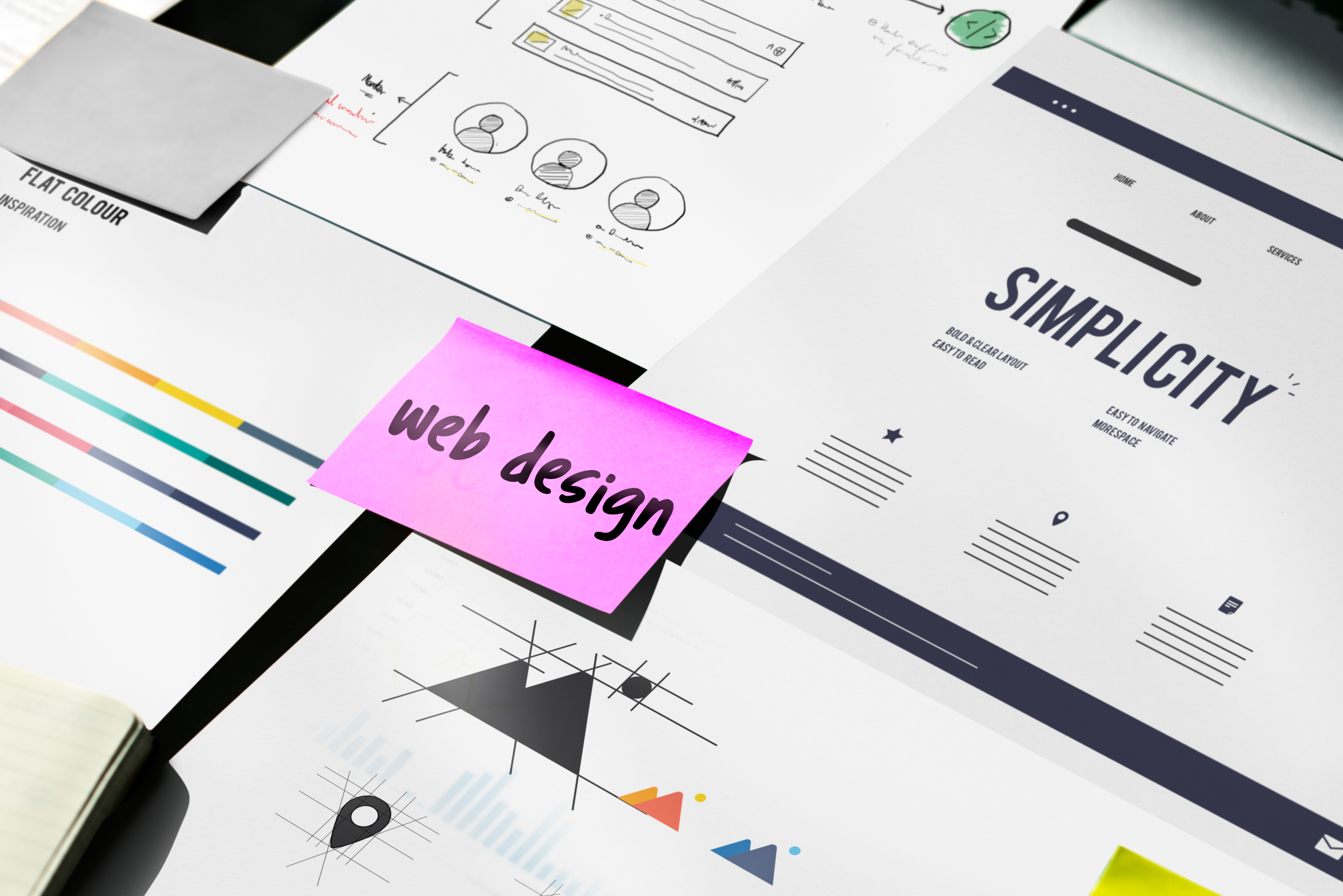
A web design portfolio is one of the most telling indicators of a professional web design company’s capabilities, creativity, and versatility. When evaluating a portfolio, look for a variety of design styles and projects across different industries. This shows that the agency can adapt its approach based on each client’s brand, goals, and audience not just reuse the same layout over and over.
Next, assess whether the sites are mobile responsive. Open them on a phone or tablet to ensure they adapt seamlessly to various screen sizes. User interface (UI) and user experience (UX) quality are also crucial. Is the site intuitive to navigate? Are calls-to-action clear and persuasive? Good UX design should make the browsing experience smooth, engaging, and conversion-focused.
Don’t forget about site performance especially load speed. A visually appealing website that loads slowly can frustrate users and negatively affect SEO. Reviewing a portfolio holistically gives you deeper insight into the professional web design company’s design philosophy, technical expertise, and ability to meet a wide range of business needs. It also helps you decide whether their work aligns with your brand vision and functional requirements.
How Do Client Reviews Impact Your Choice?
Client reviews and testimonials are powerful tools in the decision-making process. They offer real-world insights into what it’s like to work with a particular professional web design company beyond what you see in the portfolio. Positive reviews act as social proof, reinforcing the agency’s credibility and reliability.
Pay close attention to comments about communication, timeliness, and return on investment (ROI). A designer might create beautiful websites, but if clients report poor communication or missed deadlines, it could signal potential frustrations. Reviews that mention long-term relationships, problem-solving, and business impact can also help you determine whether the professional web design company truly supports its clients’ growth beyond just the launch phase.
What Questions Should You Ask a Web Designer?
Before signing a contract, asking the right questions can save you time, money, and stress. Here are a few essential ones:
- What’s included in your pricing?
Understand exactly what services are covered design, development, hosting, maintenance, revisions, training, graphic design, etc. and what might cost extra. - Do you offer SEO or marketing services?
A great-looking website means little if no one finds it. Ask if basic SEO (like metadata, mobile optimization, and site speed) is included, or if they offer ongoing marketing services. - How will the design support my business goals?
A good web designer should tailor your site to generate leads, support sales, or boost visibility whatever your specific objectives are. - Who owns the site and content after completion?
Make sure you have full ownership of your website, content, and domain once the project is complete. This protects your investment and gives you freedom if you ever switch providers.
By asking these questions upfront, you set clear expectations and ensure you’re partnering with a web design company that aligns with your goals and values especially one that integrates high-quality graphic design as part of a cohesive brand experience.
What Is the Importance of Responsive Web Design?
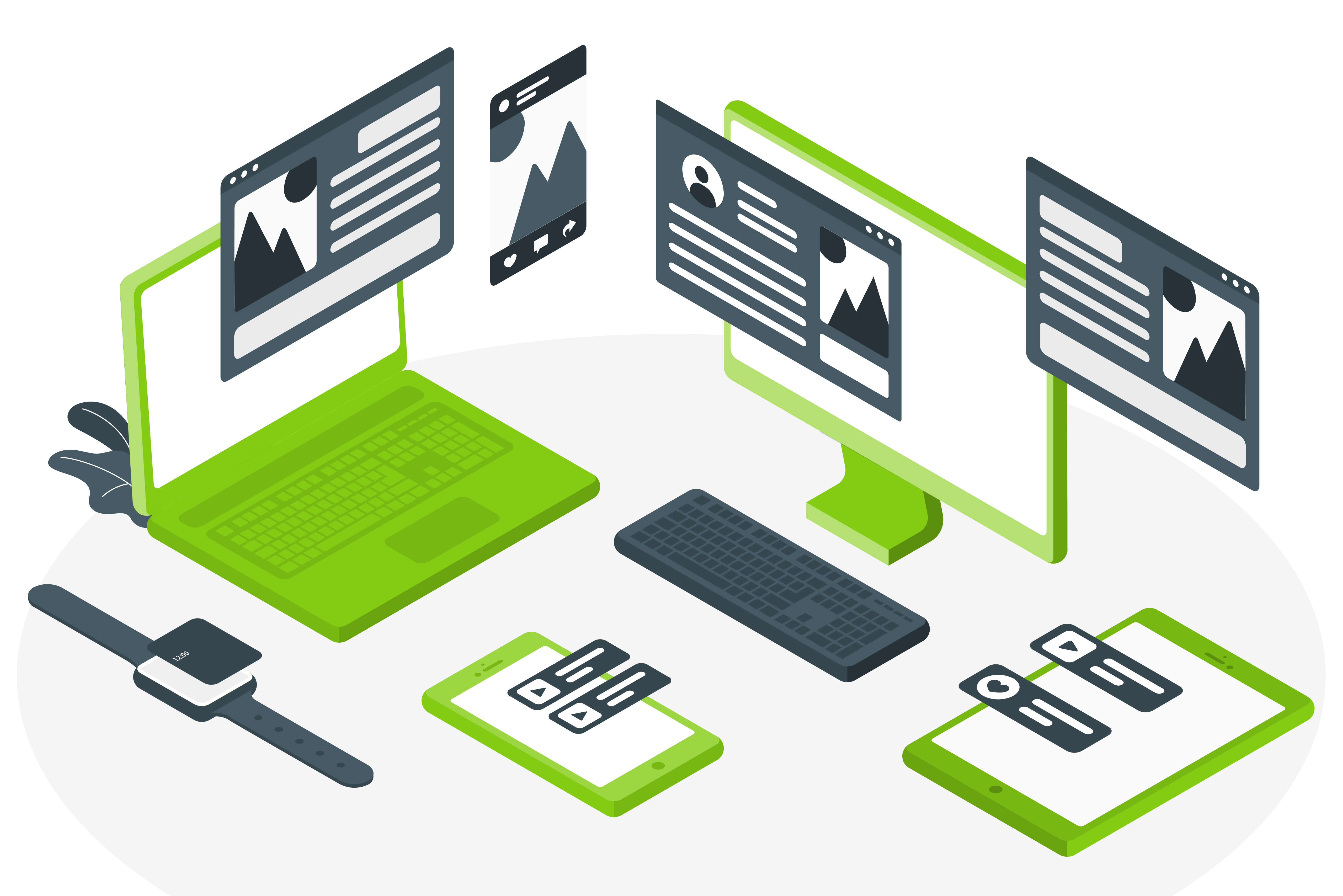
Responsive web design is no longer optional it’s a fundamental requirement for any modern website. A responsive website automatically adjusts its layout, images, and content to fit any screen size, whether it’s a desktop, tablet, or smartphone. This flexibility is essential in today’s mobile-first world, where more than half of all internet traffic comes from mobile devices.
Without a responsive design, your site may appear distorted or difficult to navigate on smaller screens, leading to frustrated users and missed business opportunities. As a critical component of effective website design and development, responsiveness ensures accessibility and user satisfaction. In Maryland’s competitive business environment, a responsive website helps ensure that potential customers have a smooth, professional experience no matter how they access your site.
How Does Responsive Design Influence User Experience?
User experience (UX) is one of the most critical aspects of web design, and responsive design plays a central role in shaping it. A well-executed responsive site offers consistent navigation, fast loading times, and easy-to-read content across all devices.
Visitors should be able to find what they need quickly whether they’re browsing your site on a smartphone during their commute or on a desktop at the office. By ensuring that all users enjoy a seamless experience, you increase engagement, reduce bounce rates, and encourage conversions.
The best website is one that delivers both functionality and user satisfaction across every device. In contrast, websites that are difficult to navigate on mobile devices can leave a poor impression, reduce trust in your brand, and ultimately drive potential customers to your competitors.
What Are the Implications for SEO with Responsive Web Design?
Responsive web design is also a critical factor in search engine optimization (SEO). Google has made mobile-friendliness a ranking factor in its algorithm, meaning sites that don’t work well on mobile devices are likely to rank lower in search results.
A responsive design not only improves usability but also enhances technical SEO elements like page speed, structured data, and reduced bounce rates all of which influence how search engines view and rank your site. When combined with custom website design, responsiveness ensures that your site is not only functional across devices but also aligned with your brand and business goals. For Maryland-based businesses, a responsive website increases the likelihood of showing up in local search results, especially when users are searching on the go.
By adopting a mobile-friendly, custom website design, you position your business for greater visibility, more traffic, and ultimately, more leads and customers from your local market.
What Are the Benefits of Hiring a Local Maryland Web Design Agency?
Hiring a local Maryland web design agency offers numerous advantages that go beyond just convenience. Local agencies bring valuable insights into the regional market, allowing them to craft websites that resonate with Maryland audiences and reflect local consumer behavior. They offer the opportunity for in-person collaboration, fostering clearer communication and stronger project alignment. With faster support and real-time responsiveness, especially during critical updates or emergencies, local firms provide peace of mind.
Additionally, their familiarity with Maryland’s business landscape along with a portfolio of local clients and success stories ensures they understand your challenges and opportunities. Choosing a Maryland-based agency means partnering with a team that’s not only skilled in design but also focused on delivering a high-performing website that drives results and supports your long-term success.
How Does Local Expertise Affect Web Design Solutions?
When it comes to building an effective website, having a web design and web development team that understands the local market can make a significant difference. A Maryland-based website development agency brings regional insight that national or offshore companies often lack. These agencies are familiar with:
- Local Customer Preferences & Behaviors – They know what appeals to Maryland audiences, whether you’re targeting tech-savvy professionals in Baltimore or small-town shoppers on the Eastern Shore.
- Regional Competition – A local team understands who your competitors are and what kind of online presence they have, helping you differentiate your brand more effectively.
- State & Local Regulations – Especially for industries like healthcare, education, or government services, local knowledge ensures your new website stays compliant with regional rules and guidelines.
- Cultural Nuances & Language – Subtle things like tone, terminology, or references can be optimized for a Maryland audience, making your site more relatable and trustworthy.
By leveraging this local expertise, your web development and design efforts become more aligned with your specific market leading to better engagement, higher conversion rates, and stronger brand recognition within the state.
What Are the Advantages of Working with a Maryland Web Design Company?

Choosing a local agency in Maryland for your web project offers practical and strategic benefits that can make your investment in website design services more efficient and impactful:
- In-person meetings and collaboration
Unlike remote-only teams, a leading web design company in Maryland gives you the option to meet face-to-face. This fosters better communication, builds trust, and ensures everyone is aligned from the start especially helpful when you’re planning to create a website that’s tailored to your unique business needs. - Local references and success stories
A Maryland-based agency will likely have a portfolio of work with other regional businesses. You can easily verify results, contact past clients, and gain confidence in their track record of delivering professional, user-friendly websites. - Faster communication and support
Sharing the same time zone and potentially the same city leads to quicker response times. Whether it’s a last-minute content update or a technical issue, a local web design company is more accessible and responsive when it matters most. - Better understanding of Maryland’s business landscape
From knowing local seasonal trends to participating in the same networking events, a local agency in Maryland understands what drives success in your area. They use that knowledge to design and develop solutions that speak directly to your audience.
By choosing a local partner, you’re not just hiring a service provider you’re working with a leading web design company that understands your market, speaks your language, and is committed to helping you create a website that supports your long-term growth and delivers a seamless, user-friendly experience.
]]>
Google Reviews are crucial for small businesses as they directly influence consumer trust, decision-making, and online visibility. Positive reviews and good reviews in particular provide authentic customer insights, enhancing credibility and offering valuable social proof. Effectively managing and responding to Google Reviews not only improves local SEO rankings but also fosters stronger customer relationships, ultimately driving growth and increased profitability.
What are Google Reviews and Why Do They Matter?
Google Reviews are user-generated feedback provided by customers directly on a business’s Google Business Profile. They significantly influence how potential customers perceive your business. Reviews provide genuine customer insights, helping others make informed decisions. Tools like those available at Limey can help streamline the review collection process for in-person businesses. It’s also essential to respond to negative reviews, as doing so shows accountability, helps mitigate damage, and demonstrates your commitment to customer service.
Understanding Google Reviews
Google Reviews consist of ratings (from 1 to 5 stars) and written testimonials about customer experiences, providing valuable insights into how your business is perceived. These reviews are prominently displayed in Google search results, Google Maps, and your business listing, offering prospective customers a snapshot of your business’s reputation. Since many users make decisions based on just a quick glance at these reviews, maintaining a high rating and a steady stream of recent feedback is crucial. They serve as a form of social validation and can influence not only whether a customer chooses your business but also how much trust they place in your brand from the outset.
How Google Reviews Influence Consumer Behavior
Consumers heavily rely on Google Reviews when making purchasing decisions, treating them as personal recommendations. Studies show that over 90% of consumers read online reviews before engaging with a business, and most trust these reviews as much as a friend’s opinion. Positive reviews can sway undecided shoppers, reinforce brand confidence, and reduce buyer hesitation. Additionally, the quantity and tone of reviews can influence the perceived quality of your offerings. As a business owner, actively managing your reviews and engaging with customer feedback can greatly enhance your brand’s appeal. Businesses with high ratings and engaging responses are more likely to earn trust and convert browsers into buyers, directly impacting sales and long-term customer loyalty. For expert help in managing your online reputation and optimizing your digital presence, consider partnering with Weblime.
The Role of Google Reviews in Building Trust

Trust is a cornerstone of business success, and Google Reviews play a pivotal role in establishing that trust online. When prospective customers see positive feedback from others, it reassures them that your products or services are reliable and worth their investment. Honest reviews act as digital word-of-mouth and convey transparency, especially when businesses respond openly to both praise and criticism. Encouraging your happy customers to leave a Google review further amplifies this effect, providing additional validation for your brand. By maintaining a positive review presence and engaging with customer feedback, businesses can cultivate a trustworthy image that encourages new clients to take the next step confidently.
How Can Google Reviews Help Grow Your Business?
Google Reviews help grow your business by enhancing visibility, credibility, and customer trust. The importance of Google reviews lies in their ability to serve as powerful marketing tools, attracting new customers and encouraging repeat business. They also help boost your business by acting as public endorsements that influence potential buyers’ decisions. Moreover, reviews significantly impact local SEO, positioning your business prominently in local search results and driving increased website traffic and footfall.
Leveraging Positive Reviews for Marketing
Positive reviews can be used strategically in marketing campaigns to build brand credibility and attract new customers. You can feature standout testimonials on your website, landing pages, or in email newsletters to reinforce your brand message. These reviews can also be turned into social media posts, video testimonials, or included in printed marketing materials. Incorporating review requests within your communications strategy helps generate more testimonials to use across marketing channels. Showcasing customer satisfaction in real-world experiences creates a compelling narrative that resonates with potential buyers. Additionally, highlighting positive feedback in ads or retargeting campaigns can increase click-through rates and conversions by leveraging trust and authenticity.
Impact of Google Reviews on Local SEO
Google Reviews directly affect local SEO rankings by influencing how your business appears in local search results, especially in the Google Maps “local pack” and your business page. The quantity, quality, and recency of reviews all contribute to how search engines assess your business’s relevance and trustworthiness. Encouraging consistent, high-quality reviews can help your business stand out among competitors and improve your chances of appearing in top local search results. This increased visibility leads to greater web traffic and footfall from nearby consumers searching for services like yours.
Using Google Reviews to Enhance Online Presence
Consistent, positive feedback increases your overall online visibility by keeping your business profile active and engaging. Google considers frequent activity and interaction as signals that your business is trustworthy and responsive. When customers regularly leave reviews and you respond thoughtfully, it creates a steady stream of fresh content that helps your business remain relevant in local search algorithms. Effective review management ensures that this process is ongoing and strategic. In addition, a strong review presence encourages potential customers to spend more time exploring your business online, boosting engagement metrics that can further improve your search rankings and overall online authority.
What Are the Key Benefits of Google Reviews?

Google Reviews offer a wide range of benefits that can significantly enhance a small business’s success. They improve search engine visibility, attract more customers through social proof, and strengthen your business’s reputation. The number of Google reviews your business accumulates also plays a key role in shaping public perception and search visibility. High volumes of positive reviews can give your business a competitive edge by increasing click-through rates, customer inquiries, and conversions. Ultimately, Google Reviews provide an accessible and cost-effective way to build trust, drive traffic, and boost long-term growth.
Boosting Your Google Business Profile
Frequent, positive reviews strengthen your Google Business Profile, making it more appealing to potential customers by enhancing credibility and visibility in search results. These reviews from customers provide fresh, user-generated content that signals relevance and activity to Google’s algorithm, which can improve your ranking in local searches. An optimized and well-reviewed profile helps highlight your business’s strengths, encourages click-throughs, and leads to more direct inquiries. This can translate into increased phone calls, website visits, foot traffic, and ultimately driving higher conversions and customer acquisition rates.
Driving More Traffic through Positive Google Reviews
Positive reviews help attract new customers organically by increasing your visibility and making your business stand out in search results. When potential customers see consistently high ratings and enthusiastic feedback, they’re more likely to trust your brand and choose your business over competitors. These reviews also influence local pack rankings on Google, making it easier for nearby consumers to discover your services. The more quality reviews you receive, the more opportunities you have to convert online visibility into actual foot traffic and sales. When you actively leverage Google Reviews in your digital strategy, you not only improve visibility but also reinforce your business’s credibility and consumer appeal.
Establishing Social Proof with Customer Reviews
Social proof, the idea that customers follow the actions of others, is strongly reinforced by positive Google Reviews. Seeing real experiences and endorsements from fellow customers provides reassurance and reduces uncertainty, especially for first-time buyers. Potential customers often read reviews to gauge the quality and reliability of a business before making a decision. High ratings and authentic testimonials act as endorsements, validating your business’s credibility and increasing consumer confidence. This psychological influence can be a decisive factor in the customer journey, helping new customers feel more secure in their decision to choose your business over others.
How to Get More Google Reviews for Your Business?

Generating more Google Reviews starts with delivering exceptional service that encourages customers to share their positive experiences. Use platforms like Google to make review submission easy and familiar for users. Make it easy by providing direct links to your review page in follow-up emails, receipts, or on your website. Train your staff to ask satisfied customers for reviews, and consider offering incentives like discounts or loyalty points. The key is consistency, authenticity, regularly asking for reviews and making the process convenient increases your chances of building a robust and trustworthy online reputation. To streamline the process, display QR codes in visible areas of your business. Tools like the Limey Review Plate make it easy to direct customers to your review page with a simple scan.
Strategies for Encouraging Customers to Leave Reviews

Make the review process easy for customers by providing direct links to your Google Review page on your website, in emails, and on printed materials like receipts or thank-you cards. Reviews have become an essential part of the modern customer journey, influencing decisions and shaping brand reputation. Timing is key to ask for reviews shortly after a successful purchase or service when the positive experience is still fresh. Train your team to politely encourage reviews during in-person interactions, and consider placing signage with a QR code at checkout or reception areas such as Limey’s Google Review Stand to make the process simple and seamless. In digital communications, include a brief, friendly message expressing appreciation for their business and a request for feedback. Offering ethical incentives, such as discount codes or loyalty points, can further motivate participation while staying within Google’s guidelines. The easier and more natural you make the process, the more likely customers are to follow through.
Engaging Customers Through Review Responses
Actively responding to reviews demonstrates excellent customer service and encourages more engagement from customers. Regular responses create a dialogue, helping your business appear active and customer-focused. When customers see that their feedback leads to thoughtful replies, it reinforces the idea that their opinions are valued. Reviews can make a strong impression on potential customers, especially when they see that the business actively listens and responds. This ongoing communication builds loyalty and can encourage others to leave reviews, knowing their voices will be heard.
Handling Negative Reviews Effectively
Negative reviews, although daunting, offer opportunities to show your commitment to customer satisfaction. Google Reviews are important because they shape public perception and influence purchasing decisions, even when the feedback is critical. Address negative feedback politely, provide practical solutions, and aim to resolve the issue professionally. Approach each situation with empathy, acknowledging the customer’s experience and taking responsibility where appropriate. Offer to move the conversation offline to resolve the matter in detail and prevent further public escalation. A well-handled negative review can not only win back an unhappy customer but also demonstrate your business’s integrity and responsiveness to potential customers.
Why is Responding to Google Reviews Important?
Responding to Google Reviews is a crucial part of managing your online reputation. Google Reviews are a public reflection of your brand, and how you engage with them shows the level of care and professionalism your business upholds. It shows current and potential customers that you value feedback and care about their experiences. Thoughtful responses help to humanize your brand, promote customer loyalty, and demonstrate accountability. Engaging with both positive and negative reviews also signals to search engines that your business is active and customer-centric, which can positively impact SEO and visibility.
Building Relationships through Responses
When businesses respond to reviews, it fosters stronger customer relationships by showing genuine interest in customer experiences and satisfaction. A personalized response communicates that the business sees customers as individuals, not just transactions. Taking the time to thank them, address specific comments, or resolve concerns adds a human touch that builds goodwill and emotional connection. For satisfied customers, this extra attention can turn a one-time buyer into a repeat customer and loyal brand advocate. For others, it can open a line of communication that rebuilds trust and demonstrates your commitment to excellent service. Encouraging happy customers to leave Google reviews as part of this engagement helps amplify your brand’s credibility and signals to others that feedback is welcomed and valued.
Improving Your Business Reputation
Consistently responding to reviews, both positive and negative, enhances your reputation by demonstrating that your business is attentive, responsible, and customer-focused. Each thoughtful response shows current and prospective customers that you value feedback and are willing to engage in meaningful dialogue. Over time, this ongoing interaction fosters trust, encourages transparency, and reflects a commitment to service excellence. Additionally, publicly addressing issues or expressing appreciation helps humanize your brand, reinforcing your credibility and professionalism in the eyes of the wider audience. Good Google reviews further support this effort by signaling high satisfaction levels and increasing public trust in your brand.
Best Practices for Responding to Every Customer Review
Ensure timely, respectful, and personalized responses to every review, regardless of whether the feedback is positive or negative. Acknowledge each customer’s input sincerely and show appreciation for their time and thoughts. For positive reviews, express gratitude and, where appropriate, mention specific aspects they highlighted to reinforce your strengths. Great reviews can also be highlighted across your channels to further validate your credibility. For negative reviews, be empathetic and address the issues raised thoughtfully, demonstrating a willingness to improve. Maintain a professional and courteous tone in all responses, and avoid templated messages that feel impersonal. Consistent, well-crafted replies help build trust, enhance brand loyalty, and show prospective customers that your business values open communication and accountability.
Common Challenges with Google Reviews and How to Overcome Them

While Google Reviews are valuable, they also come with challenges that businesses must navigate carefully. Google Reviews matter because they can significantly influence a business’s reputation, visibility, and customer acquisition. Issues like fake reviews, overly critical feedback, or a lack of customer engagement can damage a brand’s online presence. Understanding how to spot and report fraudulent reviews, respond tactfully to criticism, and actively encourage satisfied customers to share their experiences is essential. By proactively addressing these hurdles, small businesses can maintain a strong, credible, and resilient online reputation.
Dealing with Fake Reviews
Fake reviews can harm your reputation by misleading potential customers and skewing your overall rating. To handle them effectively, start by identifying patterns such as vague language, generic names, or a lack of transaction details. Report the suspicious review through your Google Business Profile by flagging it as inappropriate, and provide any evidence you have that disproves its validity. In the meantime, post a calm, professional public response acknowledging the review and clarifying your side of the story without becoming confrontational. Being transparent and proactive reassures legitimate customers that your business operates with integrity and takes feedback seriously. It’s also important to respond to all reviews, including fake ones, to maintain credibility and demonstrate that your business takes every comment seriously.
Managing Negative Feedback on Google
View negative feedback constructively as an opportunity for growth and improvement. When you receive a negative review, take time to assess the issue from the customer’s perspective and avoid responding defensively. Begin by acknowledging the customer’s experience and apologizing if necessary, even if the fault isn’t entirely yours. Ask for clarification if the review lacks details, and offer a meaningful resolution, whether it’s a refund, a replacement, or a personal follow-up. Demonstrating accountability and responsiveness can turn a dissatisfied customer into a loyal one and shows future customers that you are committed to high-quality service. Taking the time to manage these situations effectively also helps protect your rating on Google, ensuring your overall review profile reflects your true business values.
Encouraging Satisfied Customers to Leave Reviews
Satisfied customers may need reminders or incentives to leave reviews, even when they’ve had a great experience. After a successful transaction or interaction, follow up with a thank-you message that includes a direct link to your Google Review page. You can also use QR codes on receipts, signs at checkout, or automated email and SMS campaigns to streamline the process. In-person prompts from staff can be effective as well, especially when paired with personalized service. Consider introducing a loyalty program that rewards customers for sharing feedback, while being mindful of Google’s guidelines regarding incentives. Making it quick, easy, and rewarding for customers to leave a review increases participation and helps build a strong, credible online reputation.. Gentle prompts via emails, follow-up texts, or in-person requests significantly increase review rates.
Frequently Asked Questions About Google Reviews for Small Businesses
Google Reviews can feel complex at first, especially for small business owners unfamiliar with managing online feedback. Common questions often revolve around how to get more reviews, what to do about negative or fake ones, and how reviews influence SEO rankings. Business owners also wonder about best practices for asking for reviews and whether it’s okay to offer incentives. This section aims to clarify these points, helping you navigate the world of Google Reviews with confidence and make the most of this powerful tool. Google Reviews can help you grow your customer base, increase trust, and build long-term credibility in your local market.
]]>
In today’s fast-paced digital world, your website is more than just an online brochure; it’s the face of your brand, the center of your marketing efforts, and often the first impression potential customers will have of your business. A well-designed website not only reflects professionalism but also plays a critical role in user engagement, trust-building, and conversion rates.
But looking good isn’t enough. Your site must function seamlessly, communicate clearly, and guide visitors effortlessly toward the actions you want them to take. From intuitive navigation and strategically written headers to visual appeal and performance optimization, the most effective websites are those that put the user first and continuously evolve to meet modern expectations.
In this article, we’ll walk through top website design best practices that will help you capture attention, boost engagement, and deliver a better experience to every visitor.
What Are the Key Principles of Good Web Design?
At the heart of every engaging website lies a few core design principles that balance visual design, aesthetic appeal, and functionality. These foundational elements ensure that users enjoy a smooth, intuitive, and rewarding experience.
- Clarity: A cluttered, confusing site will lose users quickly. Your visual design should clearly communicate what your business offers and guide visitors toward key actions without distraction. Think: simple messaging, scannable text, and straightforward navigation.
- Consistency: Uniformity in visual design elements such as colors, fonts, button styles, and layout across your pages builds brand recognition and trust. Inconsistent visuals can make a site feel amateurish or disjointed, leading to confusion and drop-offs.
- Accessibility: Inclusive design ensures that everyone including users with disabilities can interact with your site. This includes applying proper visual contrast, using alt text for images, enabling keyboard navigation, and choosing readable fonts.
- Responsiveness: Your website must look and work great on all devices, from desktops to tablets to smartphones. Responsive design adapts your layout based on screen size, providing a seamless experience no matter how users access your site.
These principles are the building blocks of any effective web presence and should be applied consistently throughout your design process. If you’re looking for expert guidance in bringing these principles to life, Weblime offers professional web design services that help brands build user-friendly, conversion-driven websites.
Understanding User-Centric Design
User-centric design is all about putting your audience at the heart of every decision. Instead of designing a webpage based on what you like or what looks trendy, focus on what will help your users achieve their goals faster and with less friction.

Key aspects of user-centric design include:
- Intuitive navigation: Menus, buttons, and links should be exactly where users expect them to be. Confusing navigation leads to frustration and higher bounce rates. To make your website more user-friendly, ensure that navigation flows logically and predictably.
- Clear content hierarchy: Use headings, subheadings, and structured layouts to guide users through your message. Visitors should never have to guess where to find information. This structure helps make your website easier to scan and understand.
- Personalized experiences: When possible, tailor content and calls to action based on user behavior, location, or interests to create a more engaging and relevant journey. Personalization helps make your website feel more relevant and valuable to individual users.
By focusing on the user’s perspective, you’re more likely to make your website feel natural and helpful two key ingredients for engagement.
Importance of Visual Hierarchy
Visual hierarchy is a crucial design concept that helps users instinctively understand what to focus on and in what order. A strong hierarchy ensures that the most important elements are seen first, while secondary content supports the user journey without distraction. Using the right design tools such as layout grids, typography scales, and contrast settings can help you create a clear and effective visual hierarchy throughout your website.
How to establish visual hierarchy:
- Use larger font sizes for key messages: Headlines and CTAs should be noticeably larger and bolder to grab attention a web design standard that helps highlight critical content.
- Employ contrasting colors and boldness: A brightly colored button against a muted background naturally draws the eye and follows established web design standards for accessibility and engagement.
- Strategically group related content: White space and alignment help users see relationships between elements, like feature lists or pricing tiers another key web design standard for enhancing clarity.
- Use directional cues: Icons, arrows, and images that subtly point toward key areas can help guide user behavior and support intuitive design.
Done well, visual hierarchy doesn’t just make a site look better it makes it easier to navigate, understand, and convert, aligning with proven web design standards that boost user experience.
Effective Use of White Space
Often misunderstood, white space (or negative space) is the empty area between elements on a page. Rather than being “wasted” space, it’s a critical tool in the web design process for creating breathing room, improving readability, and guiding user focus.
Benefits of using white space effectively:
- Improved readability: Generous spacing between lines of text and around blocks of content makes reading easier and more enjoyable, aligning with established web design guidelines.
- Enhanced focus: White space draws attention to key areas like a headline, product image, or call to action by isolating them visually, which is a common principle in many web design guidelines.
- Cleaner, more modern look: Sites with well-used white space feel less cluttered and more professional, which can increase trust and perceived value an outcome supported by effective web design guidelines.
Avoid cramming too much onto one screen. Instead, use spacing to lead the eye naturally from one section to the next, making the journey more fluid and engaging in line with modern web design guidelines.
How to Optimize Your Website for Better Engagement?
An engaging website isn’t just visually appealing—it delivers a seamless, fast, and value-driven experience that keeps users interested and encourages action. Whether you’re running an e-commerce site, a blog, or a service-based business, optimizing your website for engagement can significantly impact bounce rates, time on site, and conversion rates. Following established design conventions—such as familiar layouts, intuitive navigation, and consistent styling—also helps users feel more comfortable and confident while interacting with your site. If you’re a new business looking to build a strong online presence from day one, check out Weblime’s web design services for startups to get started with a site that’s built for performance and engagement.
Below are three key areas you should focus on to create a high-performing, engaging website.
Implementing SEO Best Practices
Search Engine Optimization (SEO) is the foundation of online visibility. Without it, even the most stunning website can go unnoticed. SEO ensures your content is discoverable, relevant, and authoritative in the eyes of search engines and users alike. When combined with thoughtful user interface design, SEO creates a seamless experience where users not only find your site but also enjoy navigating it.
Here’s how to optimize your site for better engagement through SEO:
- Keyword-rich headings: Use primary and secondary keywords naturally in H1, H2, and H3 tags to improve content structure and relevance.
- Meta tags and descriptions: Write compelling meta titles and descriptions for each page to boost click-through rates in search results.
- Optimized images and alt text: Compress images for faster loading and include descriptive alt text for better accessibility and image SEO.
- Internal linking: Guide users to related content, increasing time spent on site and helping search engines crawl your site more effectively.
- Mobile-friendliness: Ensure your site looks and works great on all devices Google prioritizes mobile usability in its rankings.
Effective SEO doesn’t just bring users to your site it ensures they land on the right pages, at the right time, with clear value upfront, all while complementing strong user interface design principles that support smooth navigation and user engagement.
Improving Website Speed
Speed is one of the most important factors for engagement. Studies show that users expect a page to load in under 3 seconds any longer, and many will abandon the site. A fast-loading website encourages visitors to stay, browse, and take action. This means even graphic design elements like high-resolution images or animations must be optimized to avoid slowing down your site.
To boost website speed:
- Compress and optimize images: Use next-gen formats like WebP, and ensure file sizes are reduced without sacrificing quality. This is especially crucial for media-heavy graphic design content.
- Minimize and clean up code: Remove unnecessary scripts, CSS, and plugins that bloat your site.
- Enable caching: Store frequently accessed data temporarily to reduce server load and improve performance for returning users.
- Use a content delivery network (CDN): CDNs distribute content across global servers, speeding up load times for international users.
- Choose a reliable hosting provider: A quality host offers better uptime, faster server response times, and scalable resources.
Faster sites improve not only engagement but also SEO rankings and mobile usability all of which contribute to a better overall user experience, even when balancing performance with strong graphic design visuals.
Utilizing a Content Management System
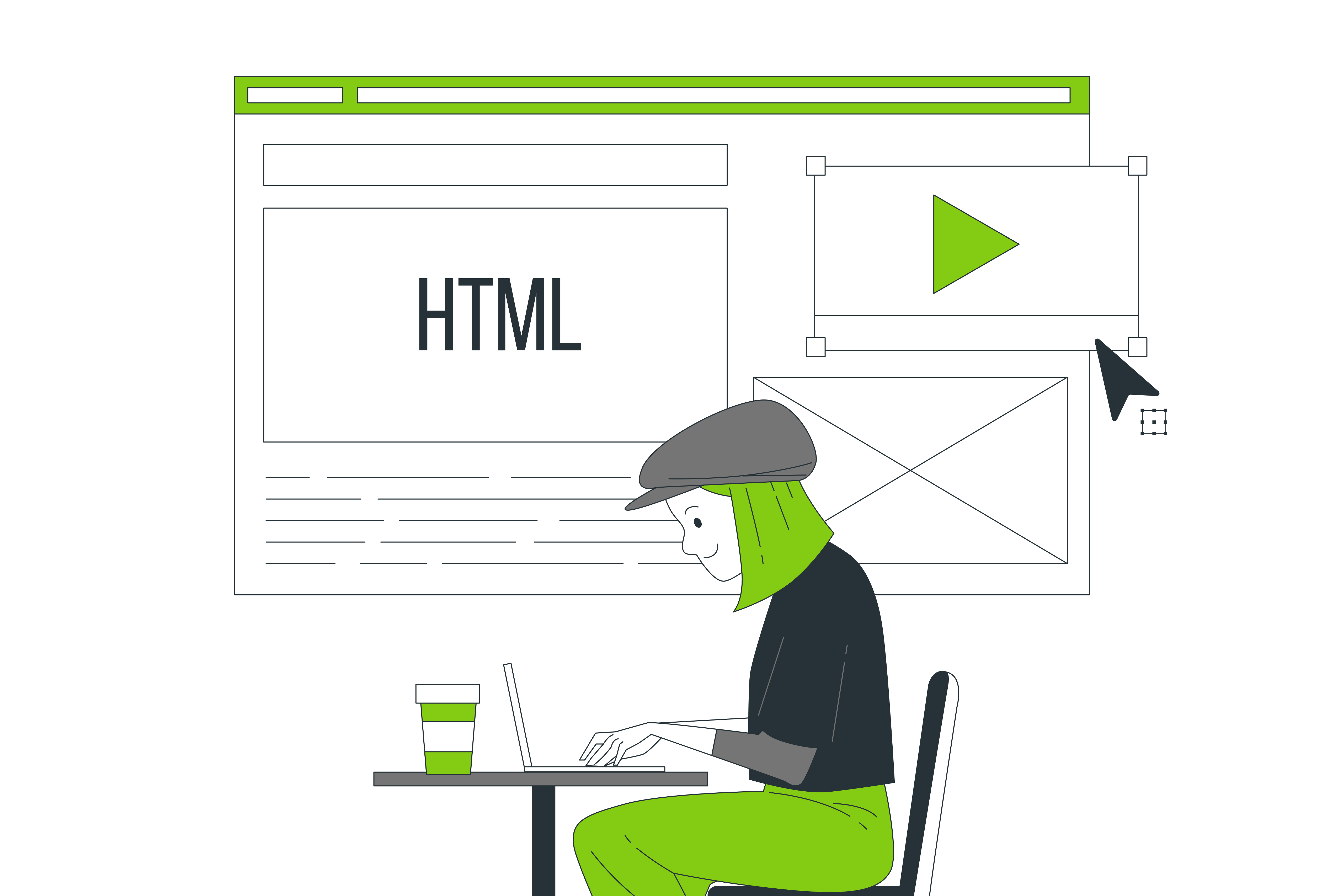
A Content Management System (CMS) is essential for maintaining and scaling your website efficiently. Platforms like WordPress, Webflow, or Shopify allow you to update content, manage plugins, and add features without needing to code from scratch. Whether you’re publishing new content or optimizing existing pages, a CMS simplifies the process and keeps your site dynamic and relevant.
Benefits of using a CMS for engagement include:
- Easy updates: Quickly publish new content like blog posts, update service pages, or add product listings to keep your website fresh and relevant.
- Plugin and app integration: Enhance functionality with tools for SEO, analytics, social sharing, live chat, and more all of which can increase user interaction.
- Scalability: As your business grows, a CMS makes it simple to expand your site with new pages, features, or e-commerce capabilities.
- Consistent design and branding: Use templates and global design settings to maintain a cohesive look and feel across your website.
- Content personalization: Advanced CMS platforms allow for dynamic content delivery based on user behavior, helping create a more tailored experience.
By leveraging a CMS, you empower your team to maintain a high level of content quality and engagement, especially when regularly adding new content, without relying entirely on developers.
What Are the Latest Web Design Trends for 2025?
Web design is an ever-evolving field, and staying current with trends is essential for maintaining relevance, user engagement, and a competitive edge. In 2025, the emphasis continues to shift toward usability, personalization, and immersive experiences. Implementing modern design features ensures that your site not only looks professional but also meets the expectations of today’s web users, who demand fast, accessible, and visually engaging digital experiences.
Here are the top web design trends for 2025 that are shaping the future of digital experiences:
Responsive Web Design Features
Responsive design is no longer optional it’s an expectation. With users accessing websites on a wide range of devices, from smartphones to tablets and desktops, your site must adapt seamlessly across all screen sizes. It’s also considered a marketing best practice, as it ensures your brand delivers a consistent experience wherever your audience interacts with you online.
Key features of responsive design in 2025 include:
- Mobile-first layouts: Designers are building for mobile before scaling up to desktop. This ensures a clean, focused mobile experience.
- Flexible grids and images: Content scales proportionally, maintaining readability and design integrity regardless of screen size.
- Touch-friendly elements: Buttons and navigation must be large enough and spaced appropriately for touchscreens.
- Dynamic breakpoints: Instead of sticking to fixed widths (e.g., 768px), modern designs use fluid breakpoints to accommodate newer devices like foldable phones.
Responsive design improves not just user experience but also SEO, and as a marketing best practice, it supports greater reach, higher engagement, and better conversion performance across all devices.
Incorporating Minimalist Design Elements
Minimalism continues to dominate in 2025, but it’s evolving into a more purposeful, content-driven approach. The goal isn’t to strip away creativity, but to present information with clarity and intention through smart design choices that prioritize user experience.
Key components of minimalist design include:
- Plenty of white space: Allows users to focus on key content without distraction.
- Limited color palettes: Using 2–3 core brand colors for consistency and simplicity.
- Simple typography: Clean, legible fonts enhance readability and support a modern aesthetic.
- Flat or semi-flat icons: Avoid overly detailed graphics in favor of sleek, intuitive visuals.
Minimalist web design reduces cognitive overload and creates a calming, frictionless experience ideal for driving focus and conversions through deliberate design choices that eliminate clutter and elevate usability.
Utilizing Interactive Content
In a digital landscape full of distractions, interactive content helps keep users engaged by turning passive browsing into active participation. When paired with good design, these features not only capture attention but also enhance usability and emotional connection.
Popular interactive elements trending in 2025 include:
- Sliders and carousels: Ideal for showcasing portfolios, testimonials, or featured products without overwhelming the page.
- Quizzes and polls: Encourage user engagement and can be used to collect data or personalize user journeys.
- Hover effects and microinteractions: Subtle animations that respond to user behavior like buttons that change color when hovered over add depth and responsiveness.
- Scroll-triggered animations: As users scroll down a page, content fades in or animates, guiding them through the story.
Interactive features, when backed by good design, improve dwell time, signal user interest to search engines, and create a more memorable browsing experience.
How Can Navigation Impact User Experience?

Website navigation plays a critical role in how users interact with your site. It’s not just about getting from Point A to Point B it’s about how easily and confidently users can explore your content. If visitors can’t find what they’re looking for quickly, they’re more likely to leave and turn to a competitor. That’s why intuitive, well-structured navigation is a key pillar of user experience (UX) and conversion optimization. Successful design teams prioritize navigation early in the planning process to ensure it supports both usability and business goals.
Creating an Intuitive Menu
Your main menu is often the first thing users interact with after landing on your site. It sets the tone for usability, discoverability, and accessible design. An intuitive menu should:
- Use clear, descriptive labels: Avoid jargon or clever phrases that confuse users. Stick with straightforward labels like “About,” “Services,” “Blog,” or “Contact.”
- Follow expected patterns: Place menus at the top or left side of the page locations users naturally expect.
- Limit the number of options: Overwhelming visitors with too many choices can lead to decision fatigue. Aim for 5–7 primary links.
- Include dropdowns sparingly: Use dropdown menus to organize subcategories, but keep them clean and mobile-friendly.
Think of your menu as a roadmap. If users get lost or confused, they’re unlikely to stick around. Applying principles of accessible design ensures that all users including those with disabilities can easily navigate and interact with your website’s core features.
Prioritizing Important Links
Not all pages carry equal weight some drive conversions more directly. That’s why it’s essential to prioritize high-impact pages and make them easy to find.
- Highlight top conversion pages: Include CTAs or quick links to your “Contact,” “Pricing,” or “Shop” pages in the main nav.
- Use sticky or fixed navigation: A persistent menu that stays visible as users scroll ensures important links are always accessible.
- Feature key links on mobile: Design mobile menus (hamburger-style) to show high-priority links first for quick access.
When you emphasize the pages that matter most, you guide users toward actions that support your business goals.
Using Breadcrumb Navigation
Breadcrumb navigation provides users with a trail of links showing the path from the homepage to their current page. This simple feature can greatly improve usability, especially on content-rich or e-commerce sites.
Benefits of breadcrumbs include:
- Context awareness: Users know exactly where they are within your site’s hierarchy.
- Easy backtracking: With one click, users can jump to a broader category or previous section.
- Improved SEO: Breadcrumbs help search engines better understand your site structure, potentially leading to enhanced search snippets.
For example, an e-commerce breadcrumb might look like this:
Home > Clothing > Women’s Clothing > Dresses > Maxi Dresses
It’s clean, informative, and keeps users oriented within your site.
What Role Do CTAs Play in Website Design?
CTAs Calls to Action are one of the most crucial elements in website design. These are the buttons, links, or phrases that prompt users to take a specific action, such as “Buy Now,” “Subscribe,” “Contact Us,” or “Download Free Guide.” Without well-placed and well-designed CTAs, even the most beautifully crafted website can fail to convert visitors into leads or customers.
In essence, CTAs guide users through the buyer’s journey and help turn passive browsing into active engagement. Let’s break down how to maximize their effectiveness.
Best Practices for Call to Action Placement
Where you place a CTA can significantly influence its effectiveness. Poor placement can result in low visibility or confusion, while strategic placement can drive high conversion rates.
- Above the fold: Place a primary CTA near the top of the page, so it’s visible without scrolling. This works especially well for landing pages or product pages.
- After persuasive content: Once a user has absorbed your value proposition like a strong testimonial or a product feature list reinforce it with a CTA.
- In blog content: Place relevant CTAs within blog posts to guide readers toward related actions (e.g., “Download the checklist” or “Get a free quote”).
- At logical breakpoints: Include CTAs at the end of each content section to keep engagement flowing without feeling forced.
A CTA should always feel like the natural next step not a disruption.
Design Elements That Enhance CTAs
Visual appeal matters just as much as placement. An effective CTA grabs attention without being pushy or overwhelming. Consider these design elements:
- Color contrast: Use a color that stands out from the background and surrounding content, but still aligns with your brand palette.
- Button size and shape: Make sure buttons are large enough to be easily clickable, especially on mobile. Rounded corners often feel more inviting.
- Clear, action-driven text: Use strong verbs that imply benefit or urgency. For example, “Start Your Free Trial” or “Claim My Discount” is more engaging than “Submit.”
- Whitespace around the CTA: Leave enough breathing room to make the CTA stand out and avoid visual clutter.
- Icons or arrows: Adding small visual cues like arrows or icons can subtly guide the eye toward the action.
Great CTA design is about balancing visibility, clarity, and intent.
Testing and Optimizing CTAs for Engagement
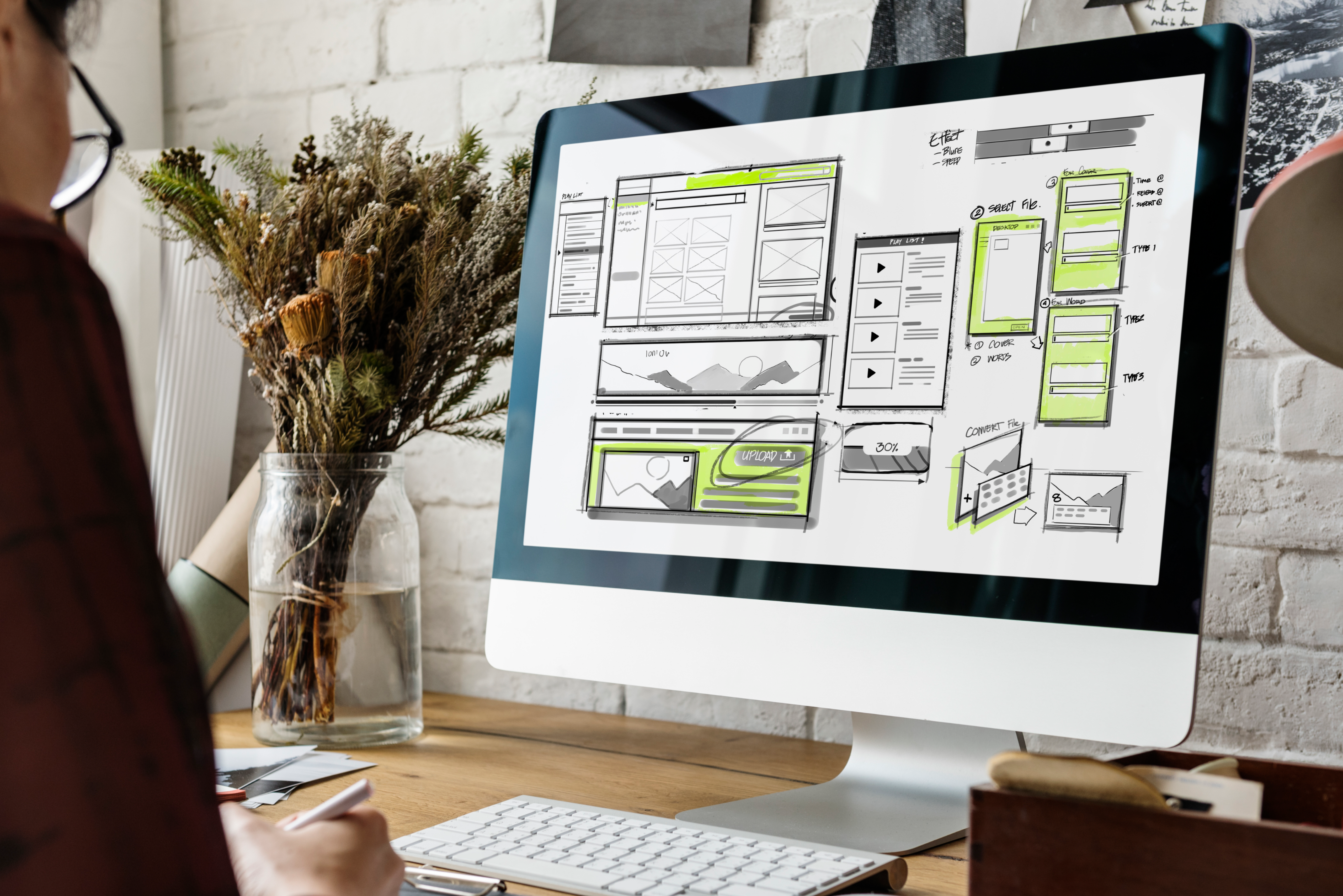
No matter how well you think your CTA is performing, there’s always room for improvement. That’s where A/B testing and continuous optimization come in.
- Test CTA text: Experiment with different phrases to see what resonates. For instance, compare “Get Started” vs. “Start Your Free Trial.”
- Experiment with color and shape: Try various color schemes or button styles to see which draws more clicks.
- Change placement: Move your CTA to different areas of the page to evaluate engagement impact.
- Use heatmaps and analytics: Tools like Hotjar or Google Analytics can show where users are clicking and where they drop off.
- Track conversions: Use goals in Google Analytics or conversion tracking in your CMS or CRM to assess CTA effectiveness.
The key is to test one variable at a time so you can clearly identify what caused the change in performance.
How to Ensure Your Website Content Aligns with Design?
One of the most overlooked aspects of web design is the relationship between content and visual layout. While a sleek design can grab attention, it’s the content that informs, persuades, and converts. If your content doesn’t align with your design, you risk confusing users, weakening your brand, and missing conversion opportunities.
Design and content should work together to create a seamless experience. Let’s look at how you can achieve that harmony.
Developing a Content Strategy
Before you even begin designing, your content strategy should be clear. This means:
- Identifying user intent: What are your visitors looking for? Tailor your messaging to meet those needs directly.
- Using targeted SEO keywords: Integrate relevant keywords naturally into headings, subheadings, and body text to boost search engine visibility.
- Creating content hierarchies: Structure your content with headings, bullets, and short paragraphs to improve readability and guide users through the page.
- Planning for different stages of the customer journey: Use a mix of informational, transactional, and persuasive content to meet users where they are.
A content-first approach ensures that design serves the message not the other way around.
Integrating Brand Guidelines in Web Design
Your website is a digital reflection of your brand. To maintain consistency and trust, design elements must align with your content tone and overall identity:
- Typography: Choose fonts that reflect your brand’s personality whether that’s formal and elegant or bold and modern.
- Color palette: Use your brand colors to emphasize content sections, highlight CTAs, and maintain visual cohesion.
- Tone of voice: Make sure your written content mirrors your brand’s voice. For example, a playful tone pairs well with vibrant colors and rounded fonts, while a professional tone aligns with clean lines and subdued hues.
- Consistency across pages: Ensure every page from homepage to blog posts follows the same visual and editorial standards.
Consistency builds brand recognition and reinforces trust throughout the user journey.
Using Visual Elements to Support Content
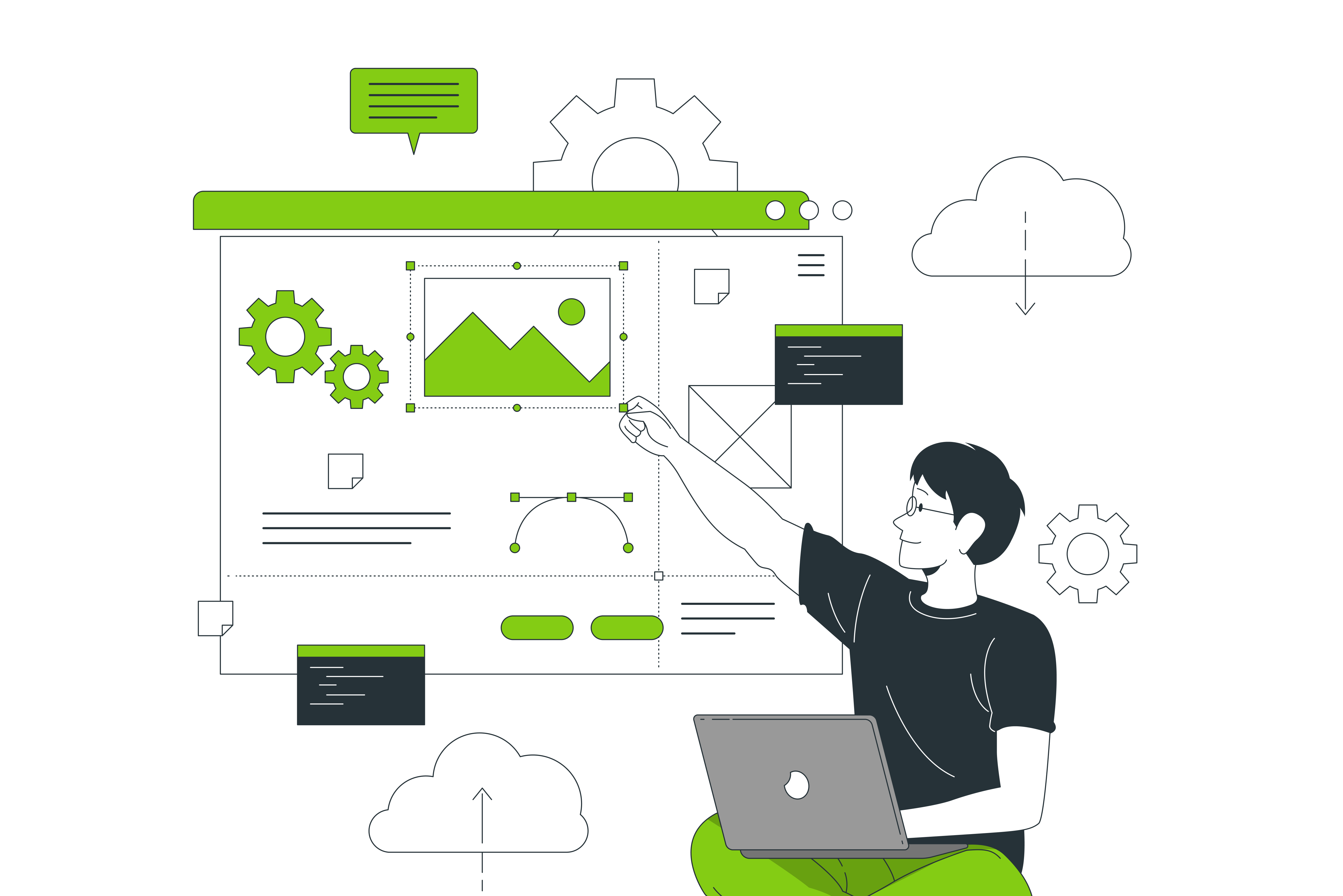
Visual content can make or break user engagement. When used correctly, images and media enhance storytelling, clarify complex concepts, and improve comprehension especially when integrated into a well-structured, responsive website that ensures content looks great on all devices.
Here’s how to use them effectively:
- Relevant imagery: Every image should serve a purpose whether it supports the topic, illustrates a concept, or evokes emotion.
- Icons and infographics: Use icons for quick recognition of features or benefits, and infographics to simplify data-heavy content.
- Videos and animations: Incorporate videos to explain processes, introduce your team, or showcase products in action. Keep them short and purposeful.
- Alt text and captions: Don’t forget accessibility describe images with alt text and use captions to provide context.
Avoid cluttering pages with stock photos or visuals that don’t align with your message. Instead, aim for meaningful, brand-aligned visuals that complement your written content and enhance the overall experience of your responsive website.
Frequently Asked Questions About Website Design Best Practices
Designing a website that engages users and drives results involves more than just visual appeal it requires a solid understanding of usability, functionality, and current best practices. In this FAQ section, we answer the most common questions about website design to help you create a user-friendly, visually compelling, and performance-driven site that aligns with your goals across every page of your website
]]>Utilize Shopify’s built-in capabilities and enhance them with apps that support multiple shipping methods, including DHL Express and Australia Post. These apps can transform your Shopify store with apps for shipping into a hub of efficiency, providing accurate shipping costs for every order. By leveraging Shopify shipping options, you can optimize the cost of shipping and offer cheaper shipping alternatives.
Enhancing your ecommerce store with these tools ensures that shipping and delivery work seamlessly. By using Shopify, you can manage and reduce shipping cost effectively, ensuring shipping works smoothly from start to finish. With a store with apps for shipping, you’ll be well-equipped to handle all aspects of shipping, from calculating rates for shipping to managing shipping services efficiently.

The Growth of eCommerce – Best Shopify Shipping Apps
As the world embraces digital transformation, businesses are adapting to the growing demand for online shopping. With more consumers making purchases virtually, the eCommerce industry continues to expand every year. In 2019 alone, an estimated 1.92 billion people bought goods and services online. That same year, e-retail sales surpassed $3.5 trillion worldwide.
The recent shift to digital commerce has accelerated even further, with online marketplaces becoming the dominant platform for purchases. Factors like convenience, accessibility, and changing consumer behavior contribute to this shift. More consumers are choosing to shop online to avoid in-person risks while benefiting from fast and seamless deliveries.
As a business owner, you can take advantage of the growing digital buyer base by setting up an online store on Shopify. To stay competitive among thousands of merchants using the platform, integrating the best delivery software for Shopify ensures efficient order fulfillment and customer satisfaction.
Why Use a Shopify Shipping App?

For ecommerce business owners, ensuring effective shipping is crucial to customer satisfaction and retention. Utilizing a Shopify shipment app can significantly enhance your shipping processes. These apps, found in the Shopify app store, offer many shipping options for both domestic and international deliveries. They allow customers to choose from a variety of couriers, including Canada Post and Royal Mail, ensuring the best shipping experience. When you use Shopify Shipping, you can effortlessly print labels and manage different package sizes directly from your Shopify admin.
Additionally, apps like ShipStation or Shippo provide competitive rates for international shipments, catering to your international customers. Whether you need local delivery within a specific radius or a list of locations, or want to expand your delivery area globally, these apps streamline the process. They also allow customers to see tracking information, enhancing transparency and trust.
By integrating a Shopify shipment app, your e-commerce store can efficiently manage orders to your local customers and beyond. As you start selling products online using our website, these tools will help you get orders to your local community and support your growth in the Shopify ecommerce space.
Shipping can make or break an online store. This helps by:
- Automating order fulfillment to save time
- Providing real-time shipping rates for transparent pricing
- Offering multi-carrier support to optimize delivery speed and cost
- Generating shipping labels directly from Shopify
- Enhancing tracking and customer notifications
For more automation strategies, check out Shopify automation tools to improve your store’s efficiency.
Top Shopify Shipping Apps for 2025

Shopify is widely regarded as one of the best e-commerce platforms, primarily because it allows your customers to have a seamless shopping experience. With its user-friendly interface and robust features, customers can see all available products and make informed buying decisions. Shopify offers many options for businesses to customize their online stores, which helps in reducing cart abandonment rates. The platform supports various shipping methods, including USPS Priority and Sendle, ensuring orders reach customers promptly.
One of the reasons Shopify is a popular option among businesses is its ability to handle different order amounts efficiently. Additionally, Shopify provides tools to manage additional charges like customs fees for international orders, minimizing any unexpected costs for customers. This attention to detail helps prevent issues related to lost or damaged goods, thereby enhancing customer satisfaction and loyalty. Shopify’s comprehensive solutions make it an ideal choice for businesses looking to expand their online presence.
Shopify Shipping

- Built-in solution with discounted carrier rates
- Supports major carriers like UPS, DHL, FedEx, and USPS
- Prints shipping labels directly from the Shopify dashboard
ShipStation

- Automates fulfillment and tracking updates
- Multi-carrier support with discounted rates
- Integrates seamlessly with Shopify and marketplaces
Easyship

- Best for international shipping with real-time customs calculation
- Access to over 250+ shipping carriers worldwide
- Branded tracking for an enhanced customer experience
Shippo

- Pay-as-you-go shipping with no monthly fees
- Provides discounted USPS, FedEx, and UPS rates
- Simple Shopify integration for quick setup
Pirate Ship

- Free app with commercial USPS discounts
- Easy label printing and bulk shipping options
- No subscription fees—just pay for shipping
For businesses selling digital products, fulfillment looks different. Learn how to sell digital products on Shopify to optimize delivery methods.
Key Features to Consider in a Shipping Solution
When selecting a shipping solution, consider these essential features:
- Real-Time Shipping Rates – Ensure accurate pricing for customers
- Automated Order Fulfillment – Reduce manual work and streamline logistics
- Multi-Carrier Support – Access DHL, USPS, and FedEx for flexible shipping options
- Tracking & Notifications – Keep customers informed about their order status
- International Shipping Features – Handle customs, duties, and tax calculations easily
- Shipping Rules & Checkout Options – Customize shipping rates and delivery speeds for different locations
For a seamless experience, ensure your store is optimized for automation with Shopify automation tools.
How to Automate Shipping on Shopify

Automating your shipping process can significantly enhance efficiency. Here’s how:
1. Choose the Right Shipping App
Pick one that meets your business’s shipping needs.
2. Set Up Shipping Rules
Configure real-time shipping rates and carrier preferences.
3. Integrate with Fulfillment Services
Automate shipping and fulfillment to improve logistics efficiency.
4. Use Bulk Label Printing
Speed up order shipments with automated label printing.
5. Monitor and Optimize
Regularly analyze shipping performance and make adjustments.
For more insights, check out why Shopify is the best eCommerce platform to grow your store effectively.
]]>